Are They Just Playing? What Your Child Is Really Learning at Preschool
November 22, 2026 · 5 min read
Are They Just Playing? What Your Child Is Really Learning at Preschool
"My child says they played all day. But are they learning anything? What about their ABCs and numbers?"
It's a question many parents ask, and understandably so. We all want our children to learn, develop important skills, and feel prepared for kindergarten.
But here's something worth knowing: some of the most meaningful learning in early childhood doesn't look like traditional teaching.
A child building a tower, pretending to run a restaurant, or mixing colours at the art table may look like they're simply having fun. Yet behind those everyday activities, important learning is taking place.
At GrowVille Early Learning in North Vancouver, we believe children deserve both a joyful childhood and a strong educational foundation. That's why we bring education, play, and thoughtful structure together.
What Does Learning Look Like at Preschool?
Imagine watching a group of preschoolers building a tower with wooden blocks.
They're choosing different shapes, testing which pieces balance, counting how many blocks they need, and figuring out why their tower keeps falling.
One child suggests using a larger block at the bottom. Another disagrees. They try different ideas until something works.
In that single activity, children are practicing early math, problem-solving, communication, cooperation, and persistence.
Nobody needed to hand them a worksheet for that learning to happen.
And perhaps most importantly, they're discovering that learning can be exciting.
But What About ABCs, Numbers, and Writing?
Of course, early academic skills matter.
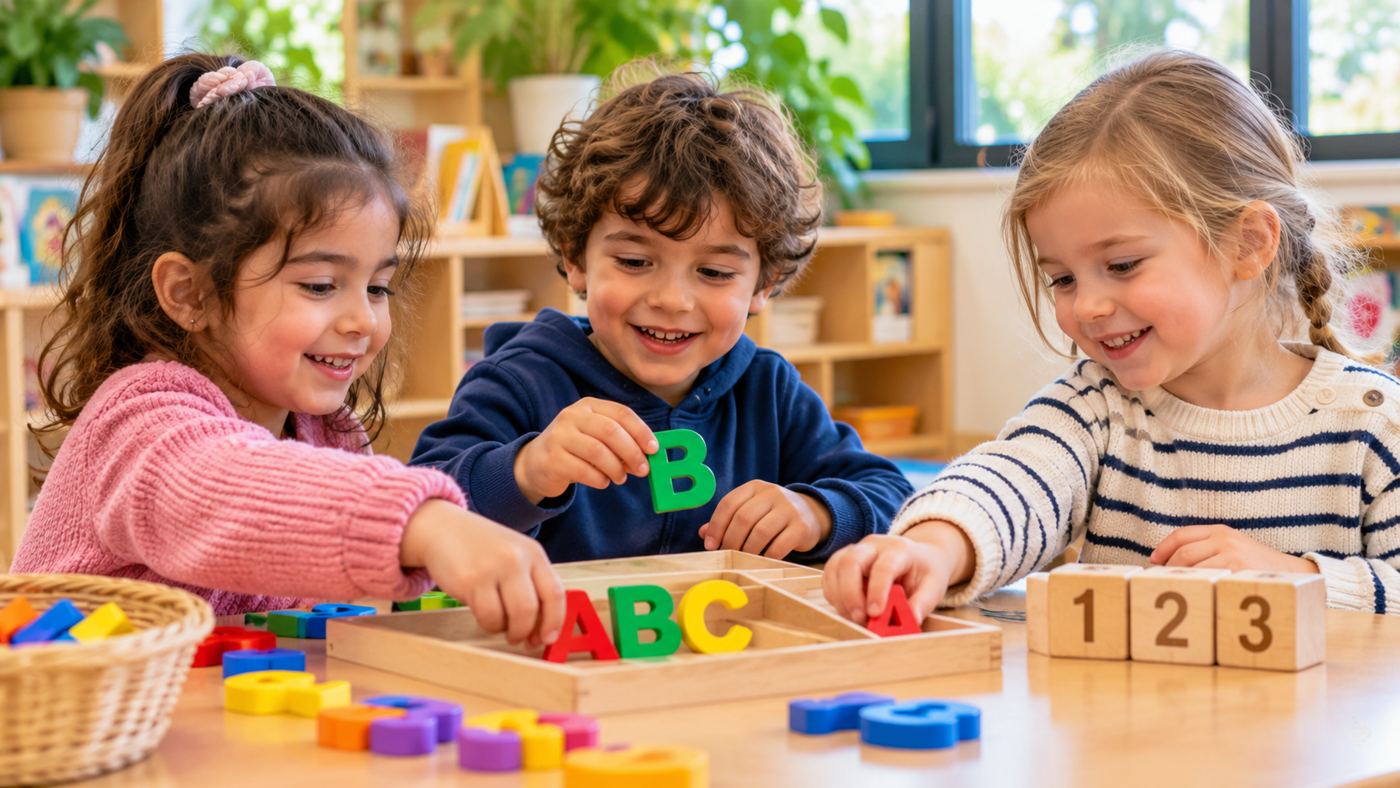
Children benefit from becoming familiar with letters, numbers, shapes, colours, stories, and the sounds that make up language.
The important question isn't whether these skills should be introduced. It's how we introduce them in ways that make sense to young children.
For example:
Letters: Recognizing the first letter of their name, singing alphabet songs, exploring letter shapes, and listening to stories.
Numbers: Counting blocks, comparing quantities, sorting objects, and noticing patterns.
Early writing: Drawing, painting, using playdough, and strengthening the small hand muscles needed to hold a pencil.
Language: Asking questions, describing experiences, listening to stories, and participating in conversations.
Science: Exploring water, observing nature, experimenting with materials, and discovering cause and effect.
These experiences build the foundations for more formal learning.
A child doesn't need to spend their preschool years completing worksheets to be developing important academic skills.
Why Play and Structure Belong Together
Sometimes parents hear the term "play-based learning" and imagine children doing whatever they want all day without guidance.
But meaningful early childhood education involves much more than simply providing toys.
Children benefit from a thoughtful balance of opportunities to explore independently, participate in guided activities, and follow predictable routines.
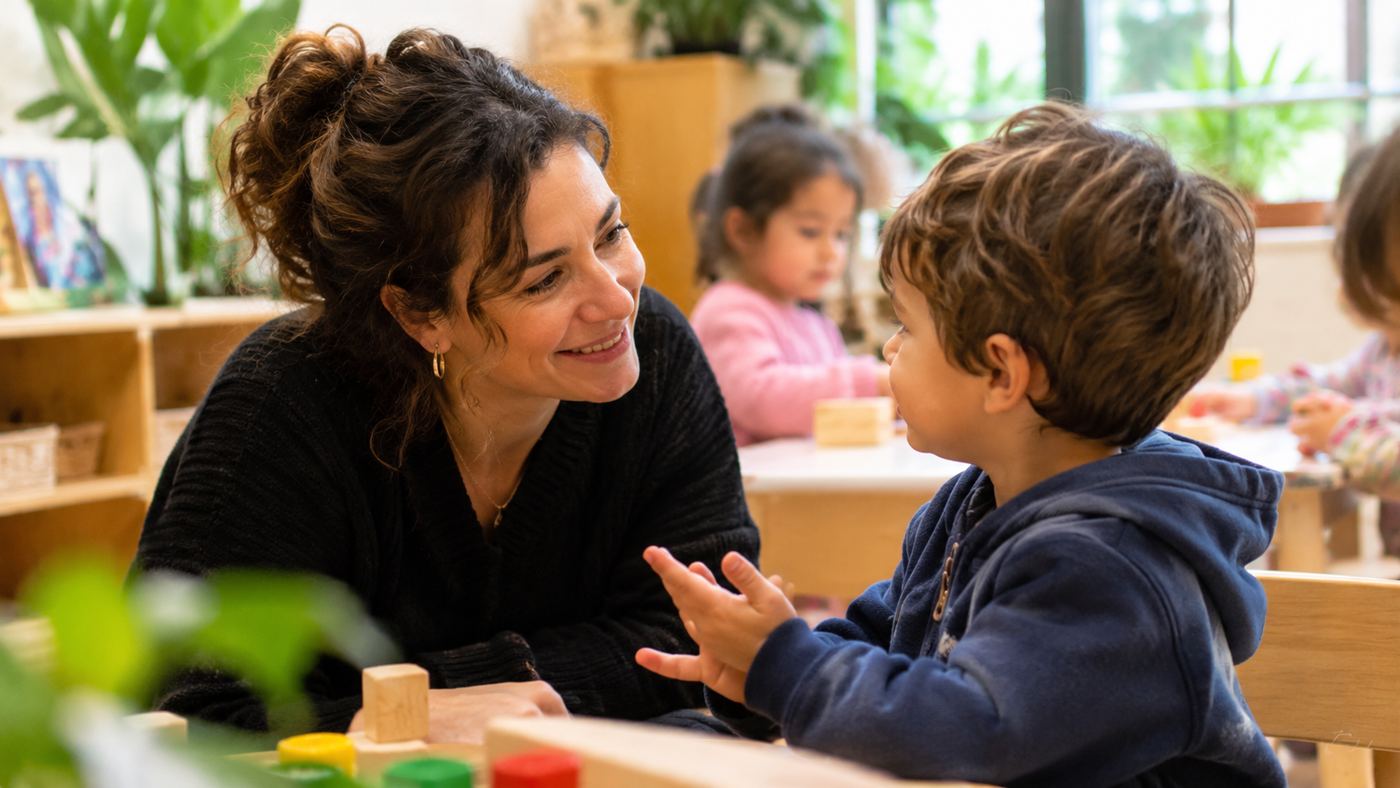
At GrowVille, we value both play and structure. Our knowledgeable educators understand child development and recognize opportunities to encourage curiosity, introduce new concepts, and extend children's thinking.
We believe education should be intentional without taking away the joy of childhood.
What If My Child Speaks Persian or Another Language at Home?
For many families in North Vancouver, English isn't the only language spoken at home.
Parents sometimes worry that speaking Persian or another language with their children might delay English learning or make kindergarten more difficult.
The good news is that growing up with more than one language can be a wonderful strength.
Children develop important language skills through meaningful conversations, storytelling, songs, and everyday interactions in any language.
A strong foundation in a child's home language can support learning additional languages, too.
So keep speaking, reading, singing, and telling stories in the language that feels most natural to your family.
At preschool, children have opportunities to develop English through friendships, conversations, stories, and shared experiences.
Every child's language development is individual, and learning more than one language is not, by itself, a cause for concern.
Kindergarten Readiness Is Bigger Than Academics
Knowing letters and numbers is valuable, but kindergarten readiness includes many other important abilities.
Can your child ask for help? Express their needs? Follow a simple routine? Participate in a group? Try again when something feels difficult?
These skills matter, too.
A child who is curious, confident, increasingly independent, and comfortable learning alongside others is building a strong foundation for school.
We've explored this further in our article about helping preschoolers build emotional intelligence.
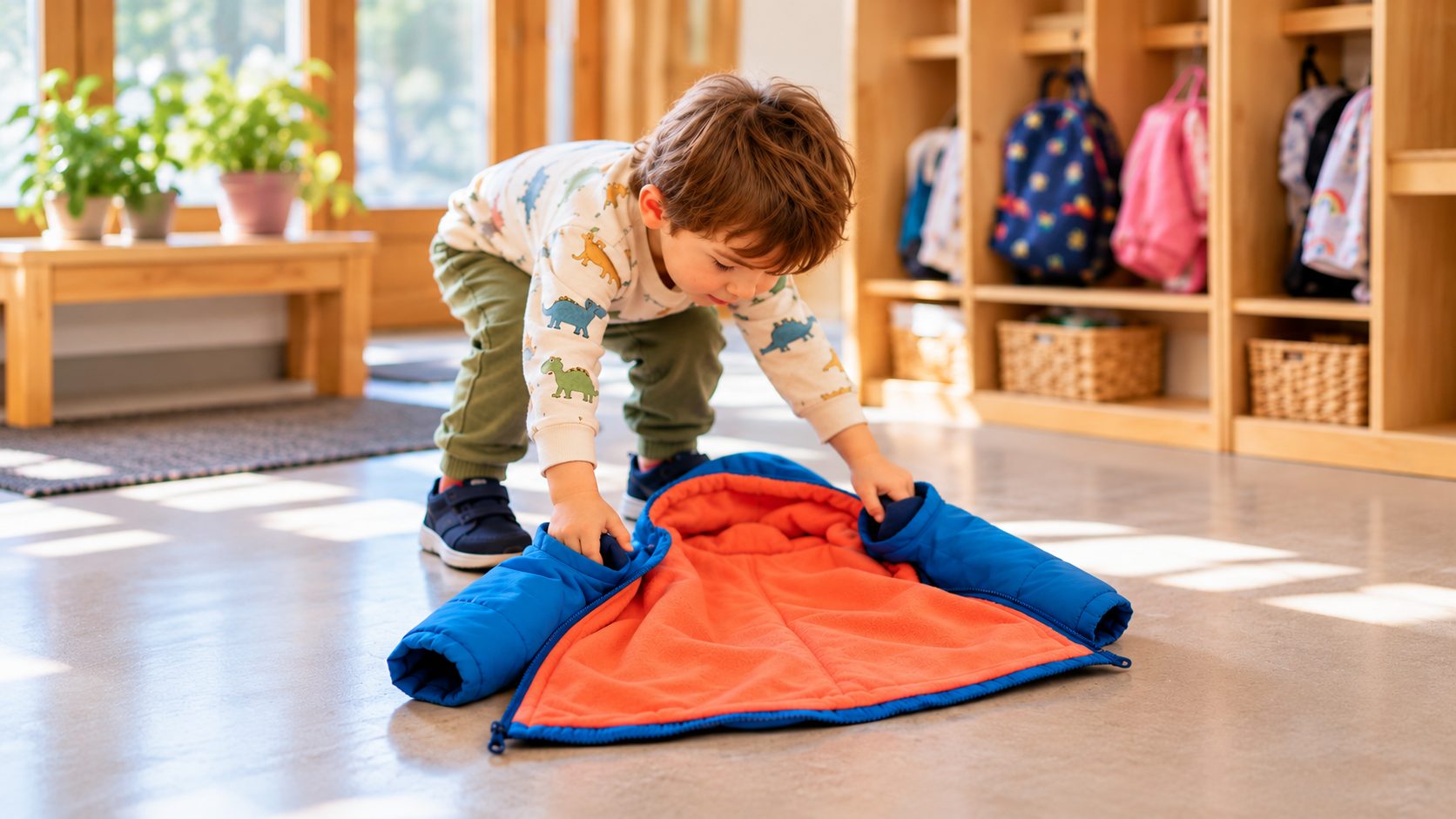
Even small everyday accomplishments, such as putting on a jacket or cleaning up after an activity, contribute to independence and confidence in young children.
How Can Parents Recognize Learning at Home?
Instead of asking only, "What did you learn today?" try asking questions that invite your child to share their experiences.
"What did you build today?"
"Did anything surprise you?"
"What was something tricky that you figured out?"
"Who did you play with?"
"What would you like to try tomorrow?"
Young children may not always describe their learning in the way adults expect. Sometimes, the story behind a painting or a conversation about a block tower reveals much more than a completed worksheet.
And sometimes, "I just played" really means, "I explored, imagined, experimented, communicated, and discovered something new."
Growing Curious, Confident Learners at GrowVille
At GrowVille Early Learning, we believe preschool should prepare children for kindergarten while allowing them to experience the wonder of being young.
Our approach brings together personal attention, knowledgeable educators, education and play, emotional development, and meaningful learning experiences.
We want children to recognize letters and numbers, but we also want them to ask thoughtful questions, develop friendships, solve problems, and feel proud of what they can accomplish.
Because preparing children for the future isn't only about what they know.
It's also about helping them love learning.
If you're exploring preschool options in North Vancouver, we'd love to show you our approach in person.
Book a tour of GrowVille Early Learning and discover where laughter leads to learning.