Big Feelings, Little People: Helping Preschoolers Build Emotional Intelligence
November 7, 2026 · 4 min read
Big Feelings, Little People: Helping Preschoolers Build Emotional Intelligence
Have you ever watched your preschooler go from happily playing to bursting into tears because something didn't go their way?
For young children, emotions can feel enormous. A broken block tower, waiting for a turn, or saying goodbye in the morning can bring feelings they're still learning to understand.
These moments aren't simply challenges to get through. They're opportunities to help children develop one of life's most important skills: emotional intelligence.
At GrowVille Early Learning in North Vancouver, we believe helping children understand their feelings is just as important as helping them learn letters, numbers, and everyday skills.
What Is Emotional Intelligence in Young Children?
Emotional intelligence is the ability to recognize, understand, express, and gradually manage emotions while developing awareness of how others feel.
For preschoolers, it might look like:
Saying "I'm frustrated" instead of pushing a toy away.
Recognizing when a friend is sad.
Asking an educator for help during a disagreement.
Learning to wait for a turn.
Trying again after something doesn't work.
These abilities don't develop overnight. They grow through everyday experiences, supportive relationships, and patient guidance.
Big Feelings Need Understanding, Not Just Correction
When a child is upset, adults naturally want to solve the problem quickly.
But young children often need connection before they can respond to guidance.
Imagine a child becoming frustrated because another child is using their favourite toy.
Instead of simply saying, "You need to share," an educator might say:
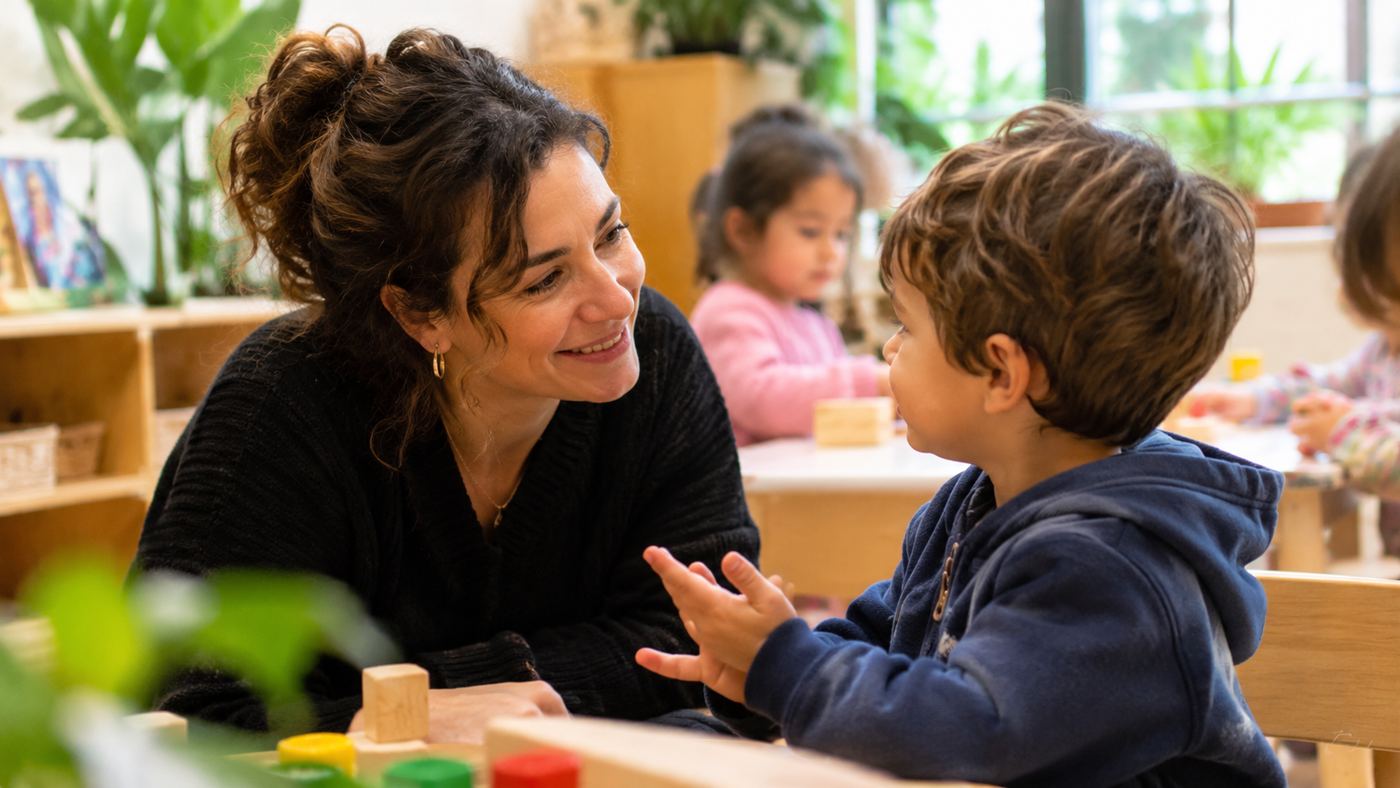
"I can see you're disappointed. You really wanted that toy. Let's figure out what we can do while we wait."
This approach acknowledges the child's feelings while teaching patience, communication, and problem-solving.
Understanding a child's feelings doesn't mean allowing every behaviour. It means setting kind, consistent boundaries while helping children learn healthier ways to express themselves.
Why Feeling Safe and Loved Matters
Children are more willing to explore, communicate, and take healthy risks when they feel emotionally secure.
At GrowVille, personal love and attention are central to our relationships with children.
We take time to understand each child's personality, interests, sensitivities, and individual developmental needs.
Some children need a little extra reassurance before joining a group. Others need support navigating friendships or finding words for their emotions.
Our knowledgeable educators recognize that emotional growth looks different for every child.
When children feel seen, heard, and valued, they have a stronger foundation for learning.
Play Is Where Emotional Skills Come to Life
A preschool classroom provides countless opportunities for social and emotional learning.
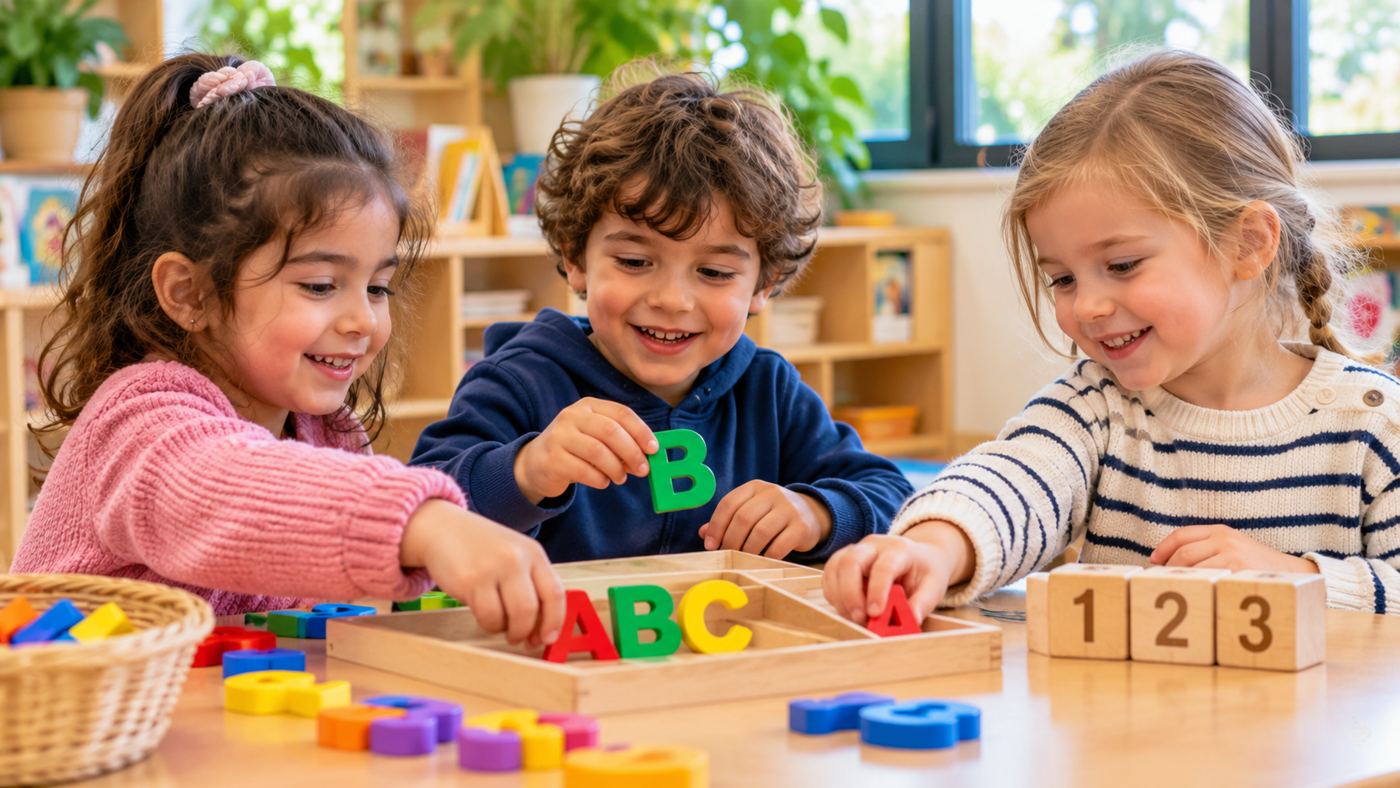
During pretend play, children explore different perspectives. While building together, they practice cooperation. When disagreements happen, they begin learning how to communicate and find solutions.
Thoughtfully structured activities and predictable routines also help children develop patience, confidence, and a sense of security.
At GrowVille, we combine education and play with intentional guidance, creating opportunities for children to grow socially, emotionally, and intellectually.
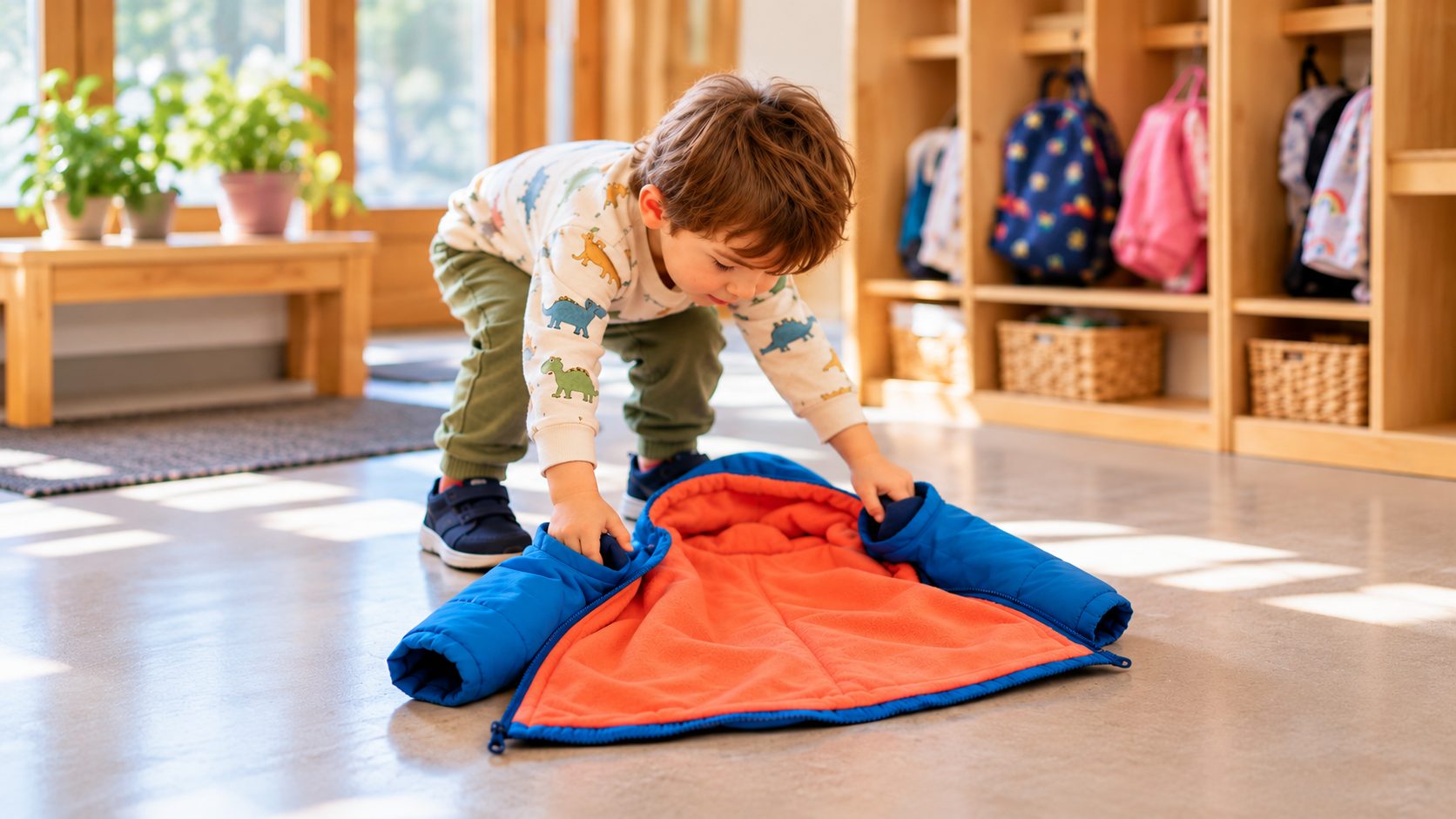
These experiences also support the independence and confidence children develop through everyday preschool routines.
Emotional Intelligence and Kindergarten Readiness
Kindergarten readiness is about much more than recognizing letters or counting numbers.
Children also benefit from learning to:
Express their needs to adults.
Participate in group activities.
Navigate friendships and disagreements.
Cope with disappointment.
Ask for help when needed.
Approach new experiences with confidence.
These skills continue developing throughout childhood, but preschool provides an important foundation.
When families are choosing the right preschool in North Vancouver, it's worth looking closely at how educators support children's emotional development alongside academic learning.
Five Simple Ways to Support Emotional Intelligence at Home
1. Name emotions during everyday moments.
Help your child connect words with feelings: "You seem excited!" or "That was disappointing, wasn't it?"
2. Make room for difficult feelings.
Children need to know that sadness, frustration, and anger are normal emotions, even when certain behaviours aren't acceptable.
3. Model how you handle frustration.
You might say, "I'm feeling frustrated, so I'm going to take a moment and try again."
4. Talk about other people's feelings.
Books, pretend play, and everyday experiences provide natural opportunities to discuss empathy.
5. Celebrate effort and problem-solving.
Notice when your child tries again, asks for help, or works through a disagreement. These small moments deserve recognition.
Remember, emotional intelligence isn't about raising children who never cry, argue, or become upset. It's about helping them develop the skills to navigate those feelings over time.
Growing Hearts and Minds at GrowVille
At GrowVille Early Learning, we believe the early years are about nurturing the whole child.
Through caring relationships, knowledgeable educators, meaningful play, and thoughtful learning experiences, we support children as they develop confidence, empathy, independence, and the skills they'll carry into kindergarten and beyond.
Because a child who feels understood is better prepared to understand others.
Looking for a nurturing preschool in North Vancouver for your child?
We'd love to welcome your family and show you what makes GrowVille special.
Book a tour of GrowVille Early Learning and discover where laughter leads to learning.